

November 25 is the anniversary of Evacuation Day in New York City. On this day in 1783, the last British troops finally left New York City after seven years of occupation – marking the end of the Revolutionary War.
And the Irish of the Continental Army played a massive role in making it happen. Since between 40-50% of those who served were from the island of Ireland or a descendent of someone who was, it’s no surprise the Irish were prominent in the activities on Evacuation Day.
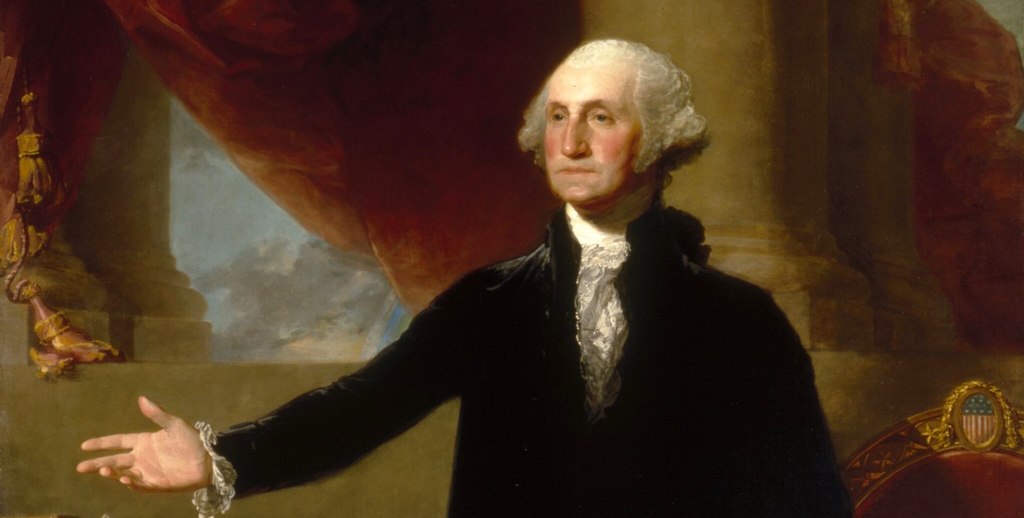
At noon on November 25, the last British forces left Manhattan, and American troops under General Henry Knox marched down the island while George Washington and New York’s governor, George Clinton, followed to reclaim the city for civilian government.
These two prominent men, Knox and Clinton, had strong Irish ties.
Henry Knox, Washington’s artillery commander, was the son of William and Mary (Campbell) Knox, Ulster-Scots immigrants who had left Derry for Boston in 1729. Henry Knox would go on to become the first Secretary of War in the U.S. and is probably best known as the namesake of Ford Knox in Kentucky.
George Clinton’s parents were Anglo-Irish. Colonel Charles Clinton and Elizabeth Denniston Clinton had left Longford for New York in 1729. In a twist of history, Charles Clinton’s parents had been English Protestant settlers who had been granted land in Ireland after Cromwell’s brutal conquest there. George Clinton would go on to become the fourth Vice President of the United States.
Evacuation Day may be little-marked today, but through the 19th century it became one of New York City’s most popular holidays – and as Irish immigration surged, the Irish-American community embraced this commemoration of the conquest of the British with exuberance.
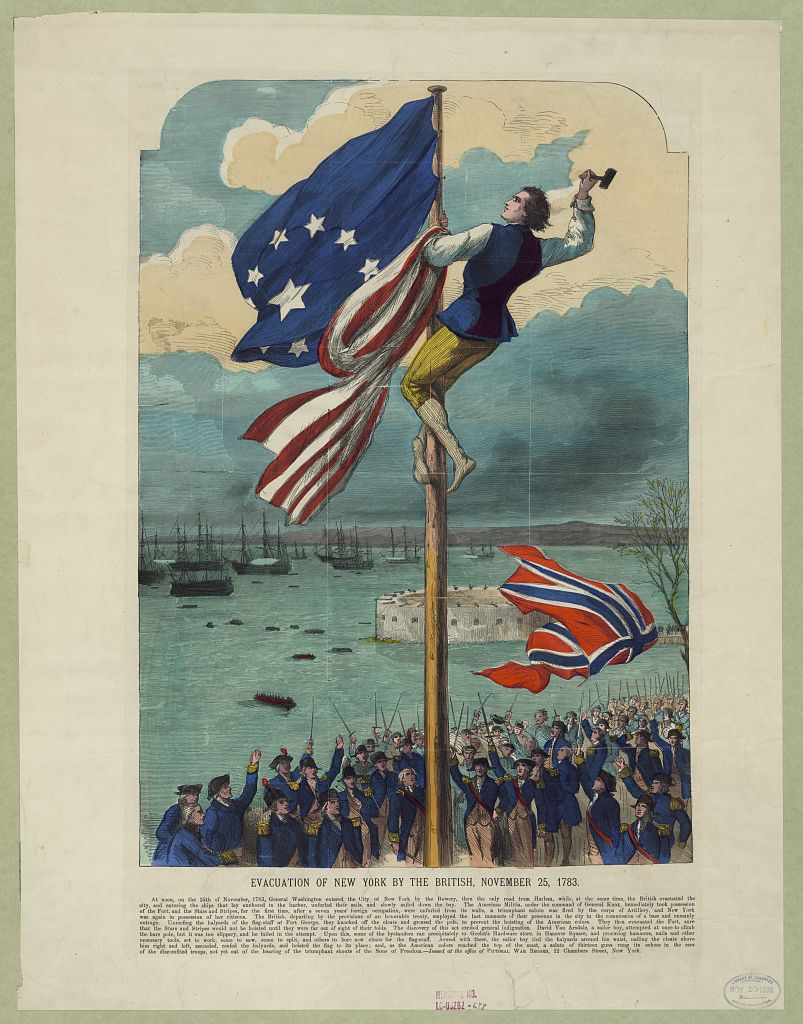
Images from Library of Congress.

 IrishAmerica250.org