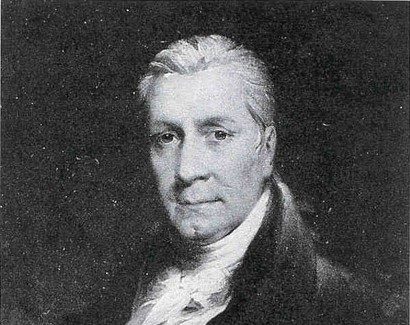
Thomas Fitzsimons was born in the Kingdom of Ireland in 1741 and emigrated with his family to Philadelphia in 1760, part of the wave of Irish migrants who would help shape the emerging United States. He rose to become a merchant, banker, and one of the nation’s Founding Fathers—an Irish immigrant whose influence reached the highest levels of the new republic.
Fitzsimons represented Pennsylvania in the Continental Congress and later served three terms in the U.S. House of Representatives. He was also one of only two Catholics to sign the U.S. Constitution, reflecting both his personal convictions and the often-overlooked role of Irish Catholics in the founding era.
A committed Federalist, Fitzsimons believed in a strong central government, protective tariffs to support American industry, and the development of a national navy. He also supported abolishing the slave trade and argued that the House of Representatives should share treaty-making powers with the Senate. In 1771, he helped found the Friendly Sons of St. Patrick in Philadelphia, an organization that celebrated Irish heritage while supporting civic life in the colonies.
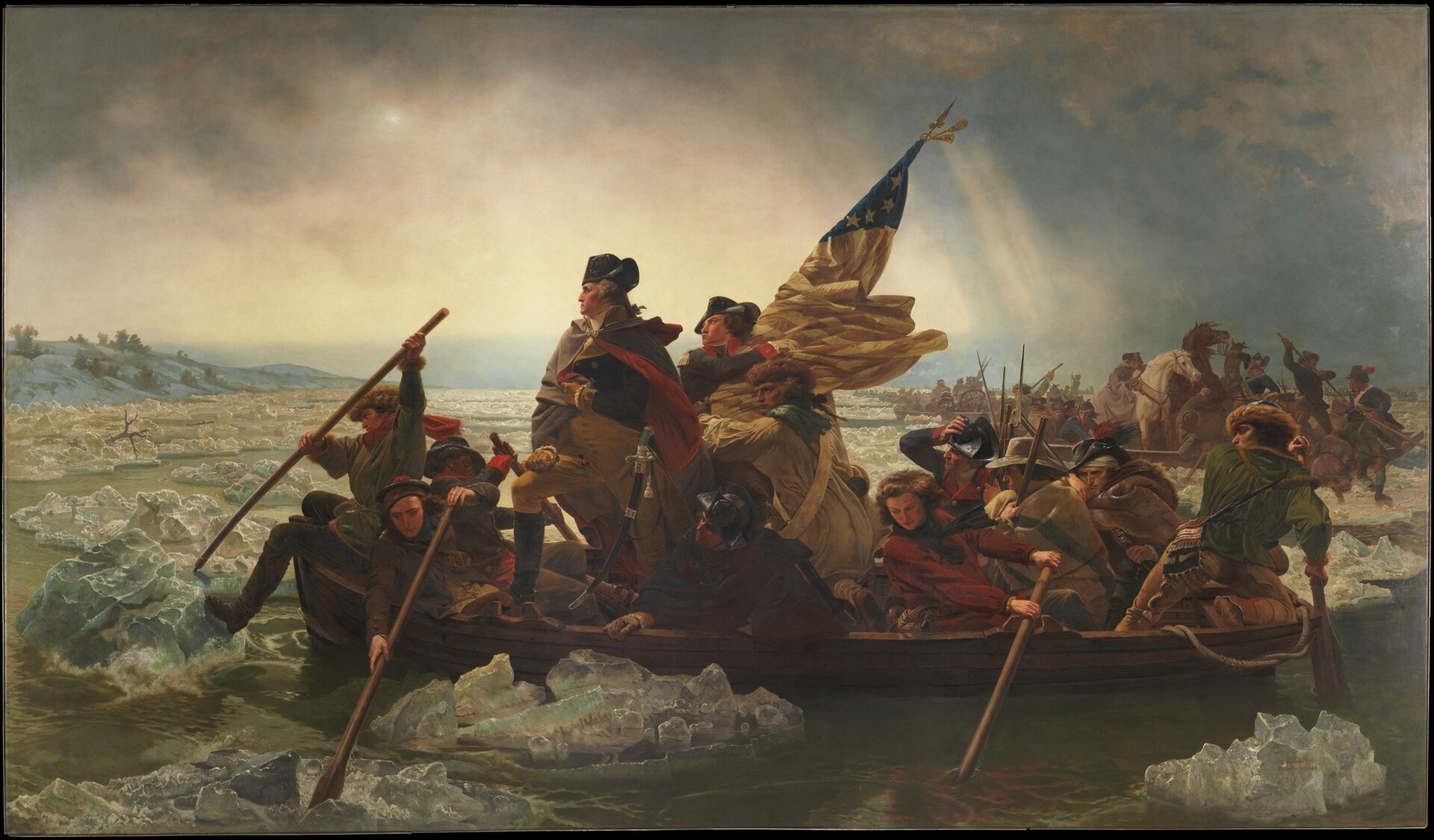
During the Revolutionary War, Fitzsimons served as captain of a home guard company under Colonel John Cadwalader. His unit helped defend against potential British incursions along the New Jersey coast and later served in reserve at the Battle of Trenton. Beyond military service, he played a critical role in Pennsylvania’s war effort, serving on the Council of Safety and leading efforts to organize and supply the Pennsylvania Navy, coordinating ships, funding, and resources for both American and allied French forces.
In 1787, Fitzsimons served as a delegate to the Constitutional Convention. While he did not support universal suffrage, he was a strong advocate for maintaining a capable military, arguing that the army should not be disbanded prematurely. In Congress, he continued to shape national policy, helping draft the 1794 legislation that authorized the construction of the first six ships of the United States Navy.
After retiring from public office, Fitzsimons remained deeply involved in civic and economic life. He served as president of the Philadelphia Chamber of Commerce, a trustee of the University of Pennsylvania, and a director of the Bank of North America, an institution he helped found, as well as several early American insurance companies. He also supported the establishment of Georgetown College, reflecting his continued commitment to education and Catholic institutions.
Thomas Fitzsimons died on August 26, 1811, in Philadelphia and was buried at St. Mary’s Catholic Church. His life stands as a testament to the impact of Irish immigrants in the founding of the United States—shaping its government, economy, and civic institutions from the very beginning.
By Geraldine Fitzgerald